
Here we have my article about why cats get sad and depressed and sad cat pictures.
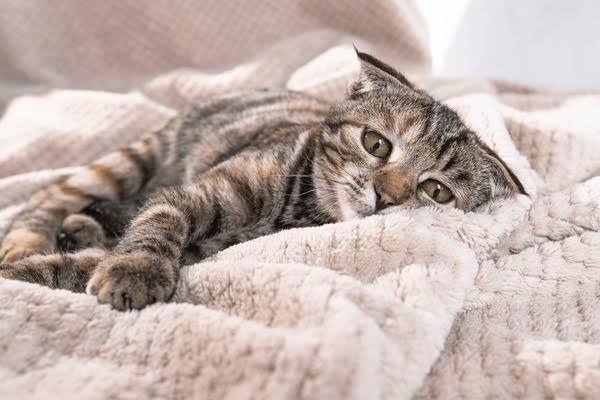
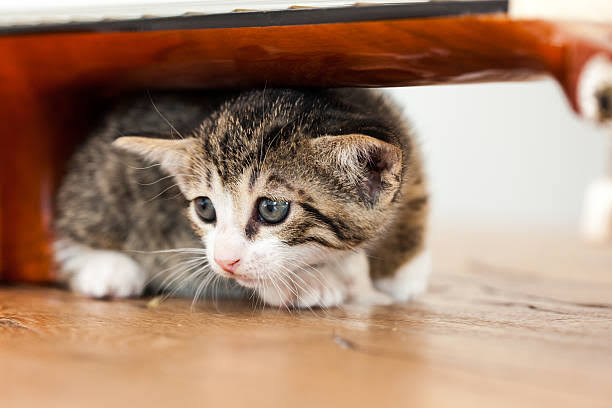
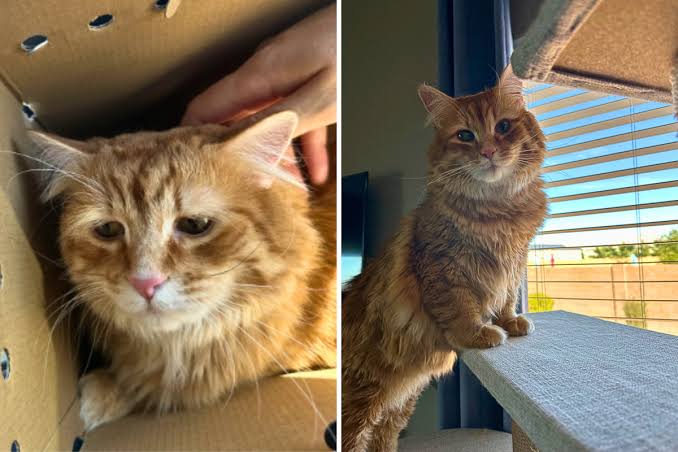
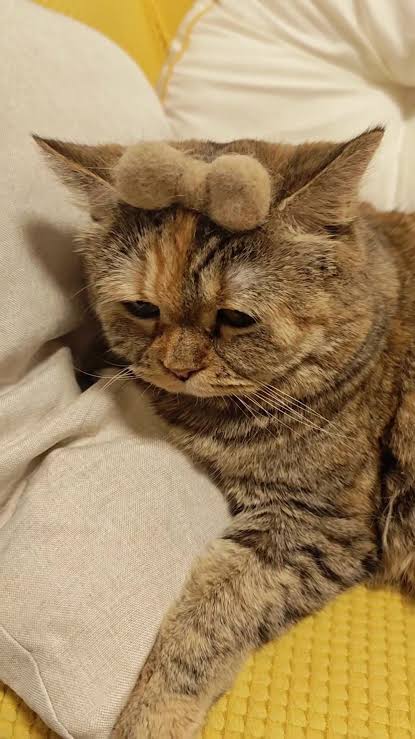
Depressed and sad cat pictures
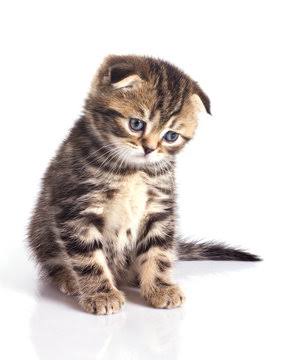
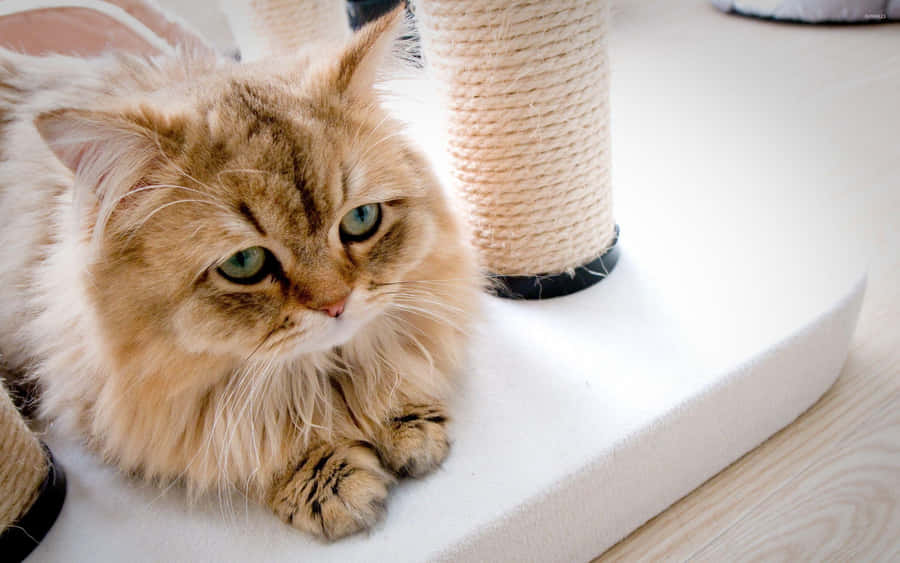
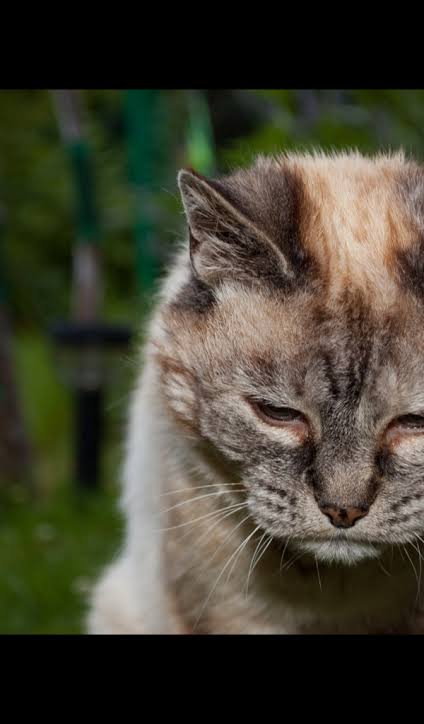
In addition to this being an article about depressed cats, i have included pictures of sad cats because people are wanting to see pictures of them.



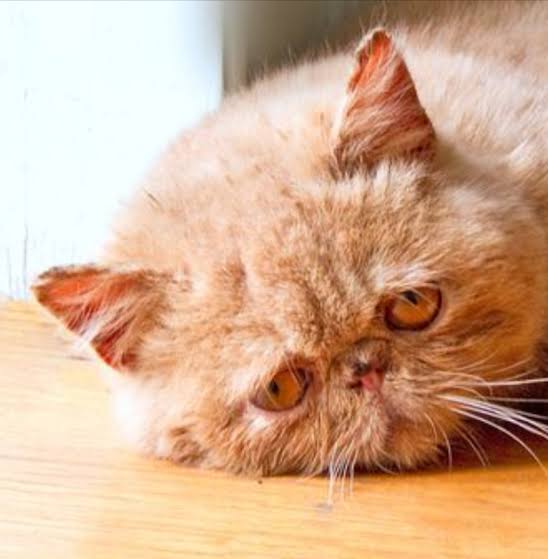
Understanding Feline Sadness and Depression
Cats, like humans, can experience a range of emotions, including sadness and depression. While they may not express these feelings in the same way humans do, there are several factors that can contribute to a cat’s emotional well-being. Here are some common reasons why cats might become sad or depressed:
1. Changes in Environment: Cats are creatures of habit and can become stressed or sad when their environment changes. Moving to a new home, rearranging furniture, or introducing new pets or family members can disrupt their sense of security and lead to feelings of anxiety or depression.
3. Lack of Stimulation: Cats need mental and physical stimulation to stay happy and healthy. A lack of enrichment, such as toys, playtime, and interaction with their owners, can lead to boredom and depression. Ensuring that your cat has plenty of opportunities to play, explore, and engage in activities can help prevent feelings of sadness.
4. Health Issues: Underlying medical conditions can affect a cat’s mood and behavior. Pain, illness, or discomfort can lead to decreased activity levels and changes in behavior. Regular veterinary check-ups are essential to identify and address any health issues that may be contributing to your cat’s depression.
5. Changes in Routine: Cats thrive on routine and can become stressed when their daily schedule is disrupted. Changes in feeding times, litter box maintenance, or the absence of a primary caregiver can cause anxiety and sadness. Maintaining a consistent routine can help your cat feel more secure and content.
6. Lack of Social Interaction: Cats, especially those that are social and affectionate, can become depressed if they do not receive enough attention and interaction from their owners. Spending quality time with your cat, providing affection, and engaging in interactive play can help improve their mood and overall well-being.
7. Aging: As cats age, they may experience changes in their physical and cognitive abilities. This can lead to feelings of frustration, confusion, and sadness. Providing appropriate care, environmental enrichment, and comfort can help support older cats and improve their quality of life.
Signs of Sadness and Depression in Cats: Some common signs that a cat may be feeling sad or depressed include:
- Decreased appetite or changes in eating habits
- Lethargy or decreased activity levels
- Withdrawal from social interactions
- Excessive grooming or changes in grooming habits
- Changes in sleeping patterns
- Vocalization or increased meowing
How to Help a Sad or Depressed Cat: If you suspect that your cat is feeling sad or depressed, there are several steps you can take to help improve their mood and well-being:
*Spend quality time with your cat and provide affection
*Provide a stable and consistent environment
*Ensure they have plenty of mental and physical stimulation
*Spend quality time with your cat and provide affection
*Address any underlying health issues with the help of a veterinarian
*Consider introducing new toys, activities, or companions to keep them engaged
Understanding the factors that can contribute to feline sadness and depression can help you create a supportive and nurturing environment for your cat. By addressing their needs and providing plenty of love and attention, you can help your cat lead a happy and fulfilling life.
 Caturday Nights