
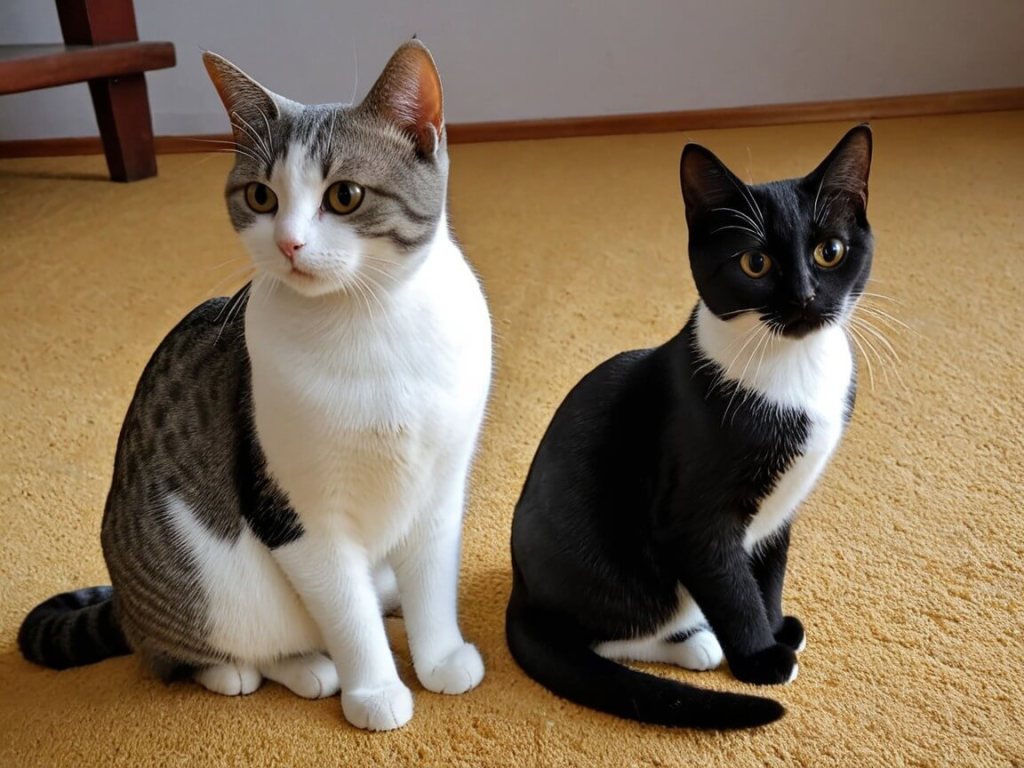
The European Shorthair cat is one of the oldest and most popular cat breeds in Europe, celebrated for its natural elegance, adaptability, and hunting prowess. In this comprehensive guide, we’ll explore the history, personality traits, care requirements, and more about this fascinating breed.
History and Origins of the European Shorthair
The European Shorthair’s history dates back thousands of years. It is believed to have descended from cats brought to Europe by ancient Romans, who prized them for their ability to control rodent populations. Over time, these cats interbred with local wild cats, resulting in the breed we recognize today.
Recognition as a Breed
Though these cats were prevalent throughout Europe for centuries, it wasn’t until the 20th century that they were formally recognized as a distinct breed. The Fédération Internationale Féline (FIFe) officially recognized the European Shorthair in 1982.
Cultural Significance
Often found in folklore, literature, and art, the European Shorthair has earned a reputation as an intelligent and steadfast companion, making it a staple in European households.
Physical Characteristics of the European Shorthair
The European Shorthair is a medium-to-large cat breed with a robust build. Its appearance often reflects its survivalist roots, embodying strength and adaptability.
Size and Weight
- Adult Weight: Typically ranges from 3.5 to 7 kilograms.
- Size: Compact and muscular with a sturdy frame.
Coat and Colors
The breed features a dense, short coat that requires minimal grooming. European Shorthairs come in a variety of colors and patterns, including:
- Solid (black, white, blue)
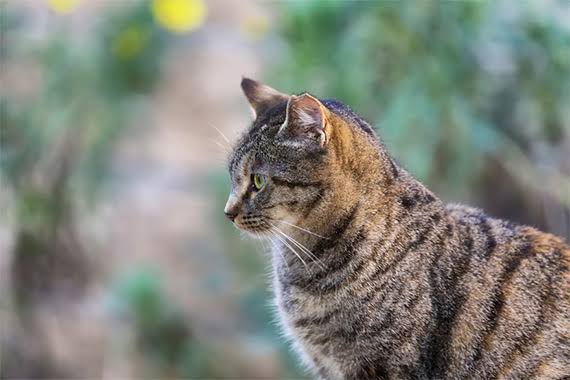
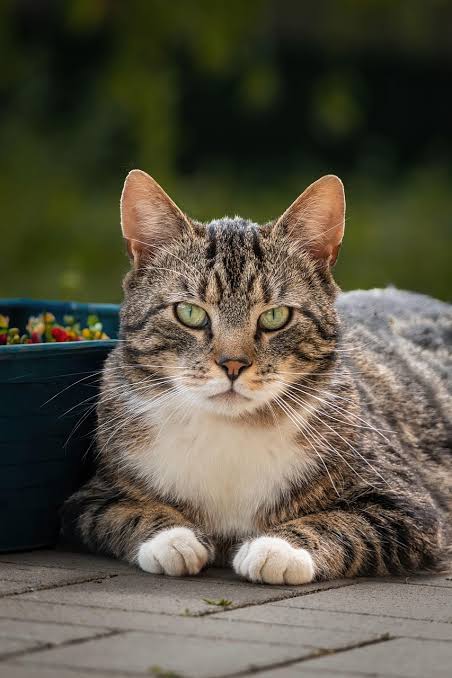
- Tabby (classic, mackerel, and spotted)
- Bi-color and tri-color
Facial Features
Their broad heads, round eyes, and slightly tilted ears give them a friendly and alert expression.
Personality Traits and Temperament
The European Shorthair is adored for its well-balanced personality. It is intelligent, affectionate, and independent, making it an excellent companion for various households.
Intelligence and Trainability
European Shorthairs are known for their quick thinking and problem-solving skills. They excel at games and can even be taught tricks.
Adaptability
Whether in an urban apartment or a rural home, the European Shorthair adapts seamlessly. Their ability to thrive in diverse environments is a testament to their hardy lineage.
Social Nature
While they enjoy human companionship, they are not overly dependent. This independence allows them to entertain themselves if their owner is busy.
Caring for a European Shorthair
Providing proper care ensures the health and happiness of your European Shorthair.
Diet and Nutrition
A balanced diet, rich in proteins and nutrients, is essential. Feeding high-quality cat food tailored to their age and activity level is recommended.
Grooming Needs
Thanks to their short, dense coat, European Shorthairs require minimal grooming. A weekly brush is enough to remove loose hairs and keep their coat shiny.
Exercise and Mental Stimulation
These cats have moderate energy levels and enjoy interactive toys, climbing trees, and regular playtime to stay fit.
Health Considerations
The breed is generally healthy, but it’s important to monitor for common feline health issues:
- Obesity
- Dental problems
- Routine vet check-ups ensure their well-being.
Why Choose a European Shorthair?
The European Shorthair is an excellent choice for families, singles, and seniors alike. Their adaptable nature and affectionate demeanor make them suitable for various lifestyles.
Longevity
With a lifespan of 12-17 years, they offer companionship for many years.
Fun Facts About European Shorthairs
- The breed is often nicknamed “the working cat” for its impressive hunting skills.
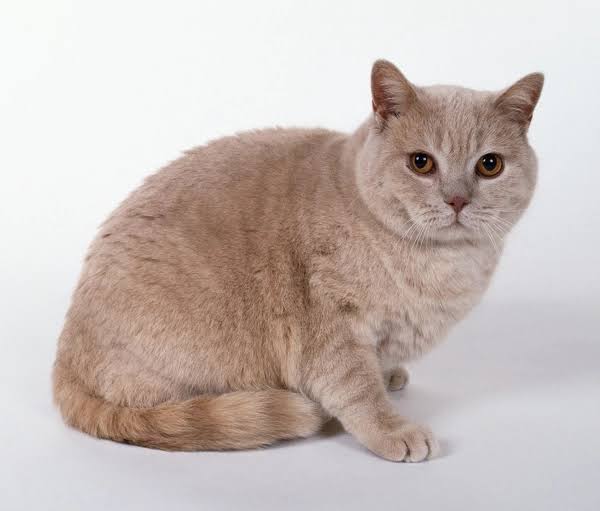
- They are sometimes mistaken for British Shorthairs, though they are distinct breeds.
- European Shorthairs have been depicted in numerous European fairy tales and stories.
Conclusion: A Timeless Treasure Among Cat Breeds
The European Shorthair is a breed that embodies versatility, charm, and resilience. Whether you’re looking for a playful companion, a skilled mouser, or a loving friend, the European Shorthair fits the bill perfectly. Their rich history and appealing personality ensure they remain a beloved breed across Europe and beyond.
 Caturday Nights