
Introduction to the words deadliest cat aka the small spotted cat
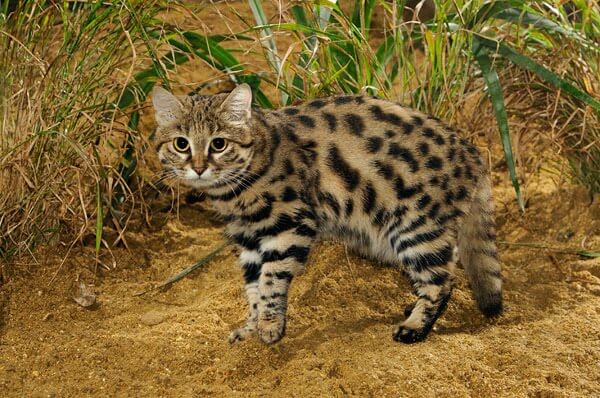
The black-footed cat (Felis nigripes) may look adorable, but don’t let its cute appearance fool you. This diminutive predator, native to the arid regions of southern Africa, is often considered the deadliest cat in the world due to its remarkable hunting prowess.
Overview of the Black-Footed Cat
Characteristics and Physical Description
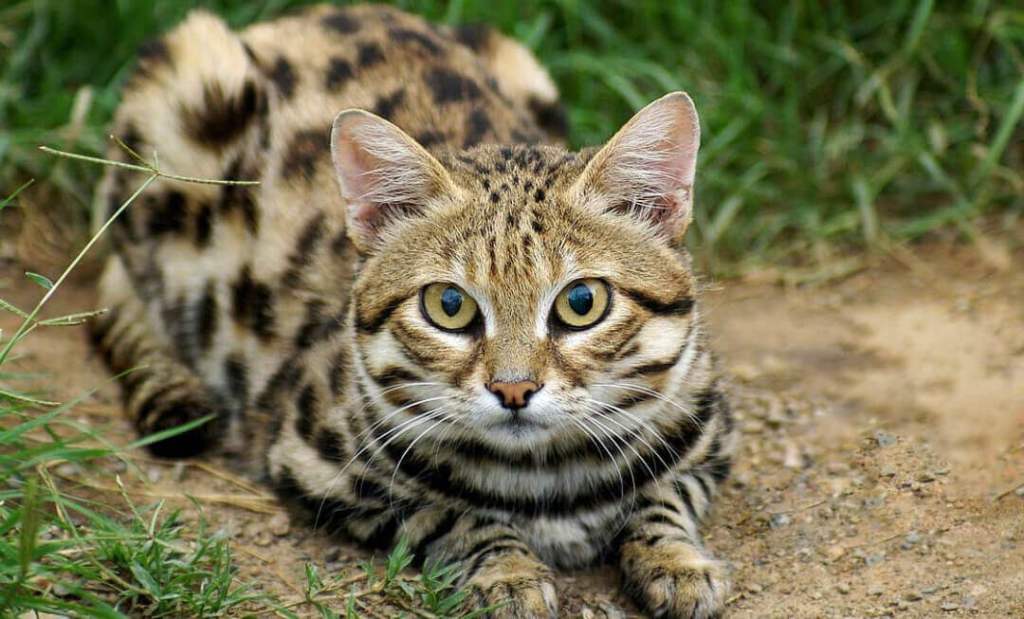
The black-footed cat is the smallest wild cat in Africa, weighing between 1.5 to 3 kilograms (3.3 to 6.6 pounds) and measuring about 36 to 52 cm (14 to 20 inches) in body length. Its sandy-colored coat, adorned with black spots and stripes, provides perfect camouflage in its natural environment. The name “black-footed” comes from the dark soles of its feet, a unique trait among felines.
Habitat and Range
This elusive predator is found in Namibia, Botswana, and parts of South Africa. It thrives in dry grasslands and savannas, avoiding dense forests and overly arid deserts. Its nocturnal habits and excellent camouflage make it a rare sight even within its native range.
The Deadliest Cat in the World: What Makes It So?
Hunting Skills
Though small, the black-footed cat has earned its fearsome reputation by having one of the highest kill rates in the animal kingdom. Studies estimate its hunting success rate at 60%, far surpassing larger cats like lions. Each night, this little predator can take down up to 14 small prey animals, such as birds, rodents, and insects.
Adaptations for Survival
The black-footed cat’s hunting prowess is bolstered by its acute senses, stealthy movements, and incredible speed. Its ability to stalk and ambush prey with precision is unparalleled.
Energy Efficiency
Unlike large predators that rely on sporadic, high-energy hunts, the black-footed cat employs frequent, smaller hunts that sustain its high metabolic needs. This strategy ensures its survival in challenging environments.
Conservation Status and Challenges
Threats to Survival
Despite its lethal reputation, the black-footed cat faces numerous threats. Habitat destruction, human-wildlife conflict, and declining prey availability pose significant risks. Additionally, its secretive nature makes it difficult to study and protect.
Conservation Efforts
Organizations like the Black-Footed Cat Working Group are dedicated to studying and conserving this remarkable species. Efforts include habitat preservation, research initiatives, and public awareness campaigns.
Fascinating Facts About the Black-Footed Cat
- The black-footed cat is also known as the “ant-hill tiger” due to its ferocity and hunting skill.
- It has a unique vocalization repertoire, including meows, growls, and hisses, to communicate and warn predators.
- This cat is a solitary creature, with males and females meeting only to mate.
Why the Black-Footed Cat Matters
The black-footed cat plays a vital role in maintaining the ecological balance of its habitat by controlling populations of small prey animals. Its survival is crucial not only for its ecosystem but also as a testament to the incredible diversity of life on Earth.
 Caturday Nights