
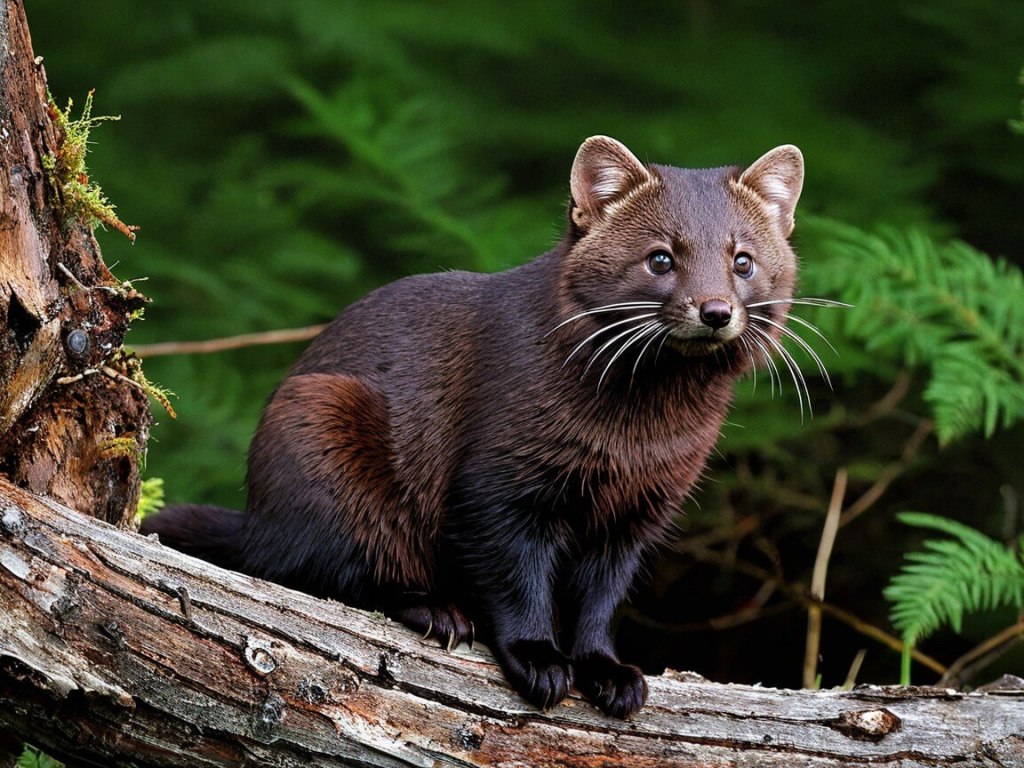
The fisher cat is not actually a cat but more of a weasel.
The fisher cat, or simply “fisher,” is a fascinating carnivorous mammal native to North America. Despite its name, the fisher cat is not a feline—it belongs to the weasel family, Mustelidae. Known for its agility, stealth, and resilience, this forest dweller holds a unique place in the ecosystems it inhabits.
Overview of the Fisher Cat
What is a Fisher Cat?
The fisher cat (Pekania pennanti) is a medium-sized mammal that thrives in dense forests. It is particularly adept at climbing trees and hunting prey, making it an important predator in its environment. The name “fisher” is a bit of a misnomer, as these creatures rarely eat fish and are instead more likely to prey on small mammals, birds, and even porcupines.
How Big is the Fisher Cat?
One of the most striking features of the fisher cat is its size. Adult fishers range from 75 to 120 centimeters (30 to 47 inches) in length, including their bushy tails. Males are typically larger than females, weighing between 3.5 to 6 kilograms (7.7 to 13.2 pounds), while females weigh around 2 to 4 kilograms (4.4 to 8.8 pounds). Their size allows them to be both agile hunters and formidable competitors in their habitats.
Habitat and Behavior
Where Do Fisher Cats Live?
Fishers are found primarily in Canada and the northern United States, with their range extending into some parts of the Appalachian Mountains. They prefer dense, forested areas with plenty of cover and climbing opportunities, such as coniferous and mixed deciduous forests.
Behavior and Diet
Fishers are solitary animals with a crepuscular activity pattern, meaning they are most active at dawn and dusk. Their diet is versatile and opportunistic, including:
- Small mammals like rabbits and squirrels.
- Birds and bird eggs.
- Carrion.
- Remarkably, fishers are one of the few predators capable of hunting porcupines by attacking their unprotected underbellies.
The Fisher Cat’s Role in the Ecosystem
Predator and Prey Dynamics
Fishers play a vital role in controlling the populations of smaller mammals, ensuring ecological balance. However, they are not without predators themselves; coyotes, bobcats, and large birds of prey occasionally target fishers, particularly the young.
Challenges in Modern Times
Deforestation and habitat fragmentation pose significant threats to fisher populations. In some areas, trapping and hunting have also led to declines, although conservation efforts are helping to stabilize numbers in certain regions.
Fun Facts About the Fisher Cat
- Despite their name, fishers rarely consume fish. The name likely originated from the word “fitch,” an old European term for a polecat.
- Their dense fur was highly prized in the fur trade during the 18th and 19th centuries.
- Fishers are adept climbers and often use their climbing skills to escape predators or hunt tree-dwelling animals.
Conservation Status and Efforts
Protecting Fisher Cats
While the fisher is not currently endangered, certain regional populations have seen declines. Conservation initiatives aim to preserve their forest habitats and regulate trapping practices.
What You Can Do
Education and awareness are crucial for protecting fisher cats. By supporting organizations that work to preserve wildlife habitats, you can contribute to the survival of this fascinating species.
The fisher cat is a remarkable example of nature’s adaptability and resilience. Its size, agility, and unique behaviors make it a standout member of North America’s wildlife
 Caturday Nights