
The global population of feral and stray cats—collectively referred to as “wild cats” in urban and suburban settings—is both significant and concerning. These cats live without direct human ownership, and their existence highlights intricate ecological, societal, and ethical challenges.
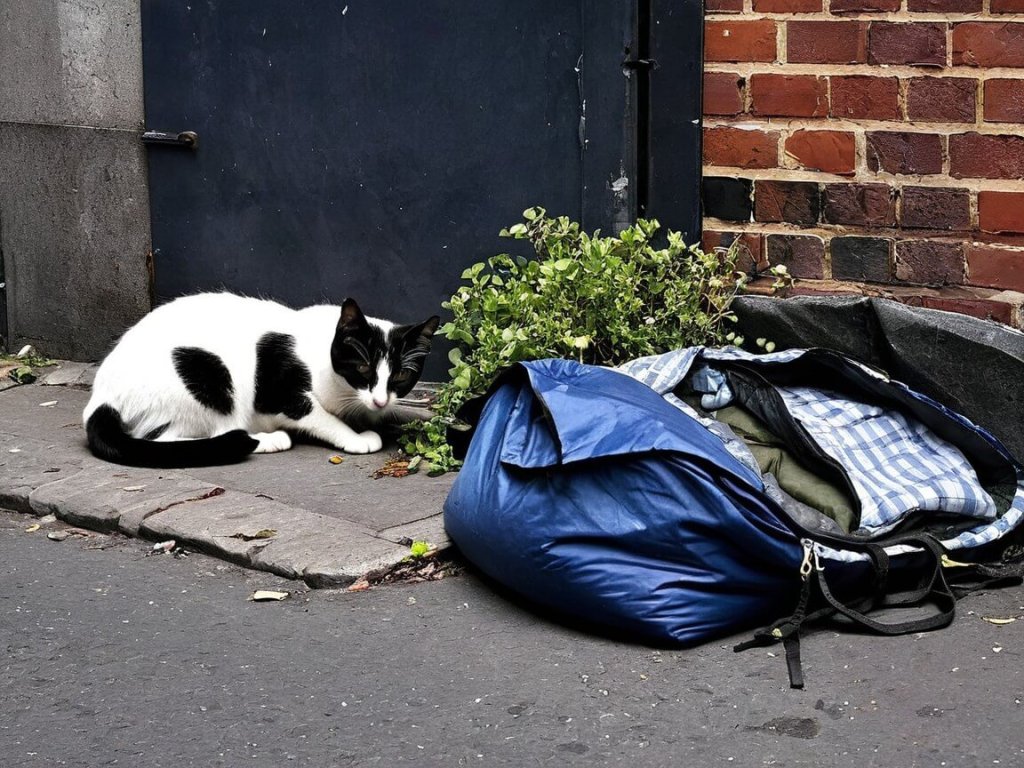
Defining Wild Cats: Feral, Stray, and Community Cats
What Are Feral Cats?
Feral cats are those born and raised without significant human contact. As a result, they are wary of people, living independently and relying on their hunting instincts to survive. They typically avoid human interaction altogether.
Stray Cats: Former Pets Turned Wild
Stray cats differ from feral cats in that they were once domesticated but have either been lost or abandoned. Over time, if not rescued, these cats may adopt feral tendencies as they adapt to life without human care.
Community Cats: A New Perspective
Community cats are often managed through humane Trap-Neuter-Return (TNR) programs. These initiatives aim to control local populations while allowing cats to live within their natural habitats with minimal human interference.
Global Estimates: How Many Wild Cats Roam the Streets?
The Scale of the Issue
It is estimated that hundreds of millions of wild cats exist worldwide. However, due to the elusive nature of feral cats and regional variability, exact numbers are difficult to determine. Here are some regional highlights:
- United States: Between 60 and 100 million feral cats.
- Australia: Around 2.8 million feral cats, posing a significant threat to native wildlife.
- Europe: Tens of millions, with populations varying across countries.
- Asia: Likely home to the largest populations due to vast urban and rural areas with fewer sterilization programs.
Urban Versus Rural Populations
Urban areas typically host higher densities of stray and feral cats, as they offer more accessible food sources and shelter. Conversely, rural areas may have fewer wild cats per square kilometer, but these cats tend to cover larger territories.
Impacts of Wild Cats on Society and the Environment
Ecological Impacts
- Predation on Wildlife: Feral and stray cats are responsible for the deaths of billions of birds and small mammals annually, significantly affecting biodiversity.
- Competition with Native Predators: In areas like Australia, feral cats outcompete native predators, exacerbating declines in native species.
Public Health Concerns
Wild cats can serve as carriers for zoonotic diseases like toxoplasmosis and rabies. These pose risks to humans, domestic pets, and wildlife.
Social and Ethical Challenges
The presence of wild cats in urban areas often sparks debate. While some advocate for population control measures like TNR programs, others argue for more aggressive methods, including culling.
Solutions to the Wild Cat Crisis
Trap-Neuter-Return (TNR) Programs
Adoption and Shelter Initiatives
Encouraging the adoption of stray and community cats can provide them with loving homes, while reducing the burden on outdoor ecosystems.
Policy and Awareness
Legislation that mandates sterilization and responsible pet ownership can prevent domesticated cats from becoming stray or feral. Educational campaigns also play a crucial role in spreading awareness about the issue.
The Future of Wild Cats on the Streets
Addressing the plight of wild cats requires a multi-faceted approach that balances the well-being of the cats themselves with the protection of ecosystems and public health. While much progress has been made in some regions, global efforts must continue to improve. Only through collaboration can humans and cats coexist harmoniously in the modern world.
 Caturday Nights