
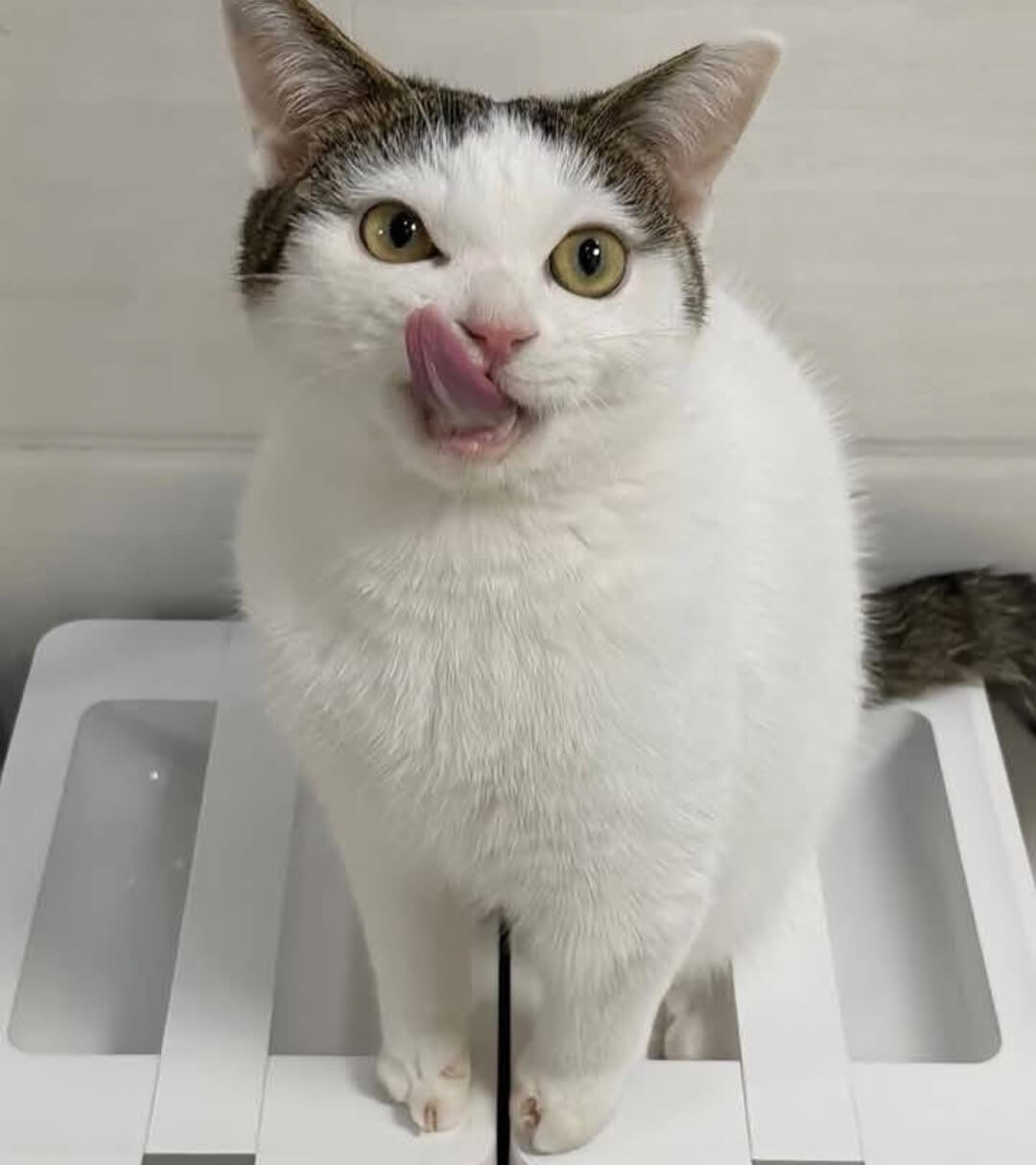
Here we will talk about myths about cats with answers
Cats are fascinating creatures, but they are also surrounded by numerous myths and misconceptions. Let’s take a closer look at some of the most common myths about cats and uncover the truth behind them.
1. Cats Are Aloof and Unfriendly One of the most pervasive myths about cats is that they are aloof and uninterested in humans. While cats may appear independent, many are affectionate and form strong bonds with their owners. Cats show their love in subtle ways, such as rubbing against you, purring, or following you around the house. They may not always seek attention in the same way dogs do, but that doesn’t mean they don’t care.
2. Cats Always Land on Their Feet While it’s true that cats have an impressive righting reflex that helps them land on their feet, this doesn’t guarantee their safety from falls. Cats can and do get injured from falls, especially from significant heights. It’s essential to keep windows and balconies secure to prevent accidents.
3. Black Cats Are Bad Luck This myth varies by culture, but in many Western societies, black cats are often associated with bad luck or witchcraft. In reality, black cats are just as loving and playful as cats of any other color. In some cultures, black cats are even considered good luck. It’s time to dispel this superstition and appreciate black cats for their beauty and charm.
4. Cats Are Low-Maintenance Pets While cats are generally more independent than dogs, they still require a significant amount of care and attention. Regular feeding, grooming, playtime, and veterinary check-ups are essential for their well-being. Additionally, some cats can be quite demanding when it comes to attention and affection.
5. Cats Are Nocturnal Cats are often thought to be nocturnal, but they are actually crepuscular, meaning they are most active during dawn and dusk. This behavior is rooted in their wild ancestors, who hunted during these times to avoid predators and the heat of the day. Domestic cats may adapt their activity patterns to match their owners’ schedules.
6. Cats Can’t Be Trained Contrary to popular belief, cats can be trained. While they may not respond to commands in the same way dogs do, cats can learn tricks, use a litter box, and even walk on a leash with the right approach and positive reinforcement. Patience and consistency are key to training a cat.
7. Cats Are Independent and Don’t Need Socialization Although cats are more independent than dogs, they still need socialization and interaction. Socializing kittens from a young age can help them become well-adjusted adult cats. Adult cats also benefit from regular interaction with their owners and other pets.
8. Cats Will Steal a Baby’s Breath This old wives’ tale suggests that cats will smother babies by stealing their breath. There’s no evidence to support this myth. However, it’s always a good idea to supervise interactions between pets and young children to ensure safety for both.
9. Cats Only Purr When They’re Happy While cats do purr when they are content, they also purr for various other reasons, such as when they’re in pain, anxious, or seeking comfort. Purring is a versatile behavior that serves multiple purposes, including self-soothing and communication.
10. All Cats Hate Water It’s commonly believed that all cats hate water, but this isn’t entirely true. Some cats enjoy playing with or even swimming in water. Their aversion to water often stems from past negative experiences or discomfort with having wet fur. Each cat is unique, and their reactions to water can vary.
In conclusion, understanding the truth behind these common myths can help us better appreciate and care for our feline friends. Cats are complex and loving animals that bring joy and companionship to many households. Let’s celebrate their uniqueness and debunk these misconceptions once and for all.
Bonus cat myths debunked
Myth 11: Cats Can See in Total Darkness
Reality: Cats have excellent night vision and can see in very low light, but they can’t see in total darkness. They rely on some light to navigate their environment.
Myth 12: Milk is Good for Cats
Reality: Many cats are actually lactose intolerant. Giving them milk can cause digestive issues. It’s better to provide them with fresh water and cat-specific treats.
Myth 8: Cats Don’t Need Regular Vet Visits
Reality: Just like dogs, cats need regular check-ups to maintain their health. Annual vet visits can help catch and prevent health issues before they become serious.
 Caturday Nights