
Sometimes cats get angry, here’s what to do about it
Understanding Angry, Aggressive, and Grumpy Cats
Here we will talk about cat aggression and it’s causes for your kitties
Angry cat pictures
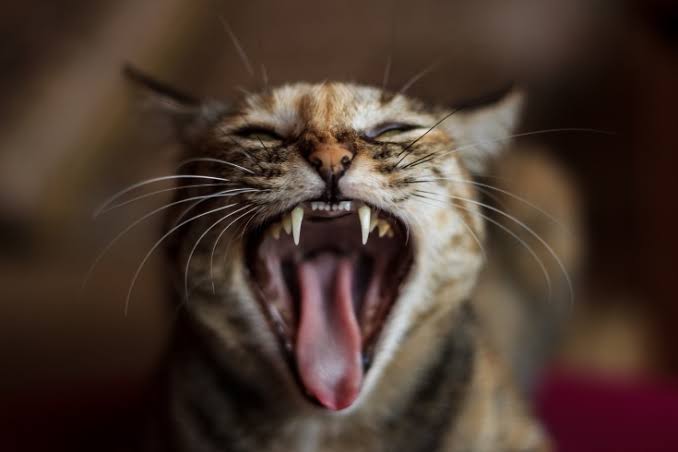





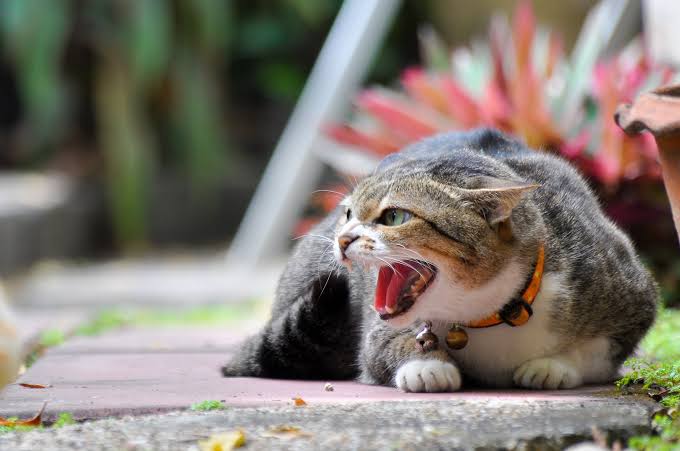

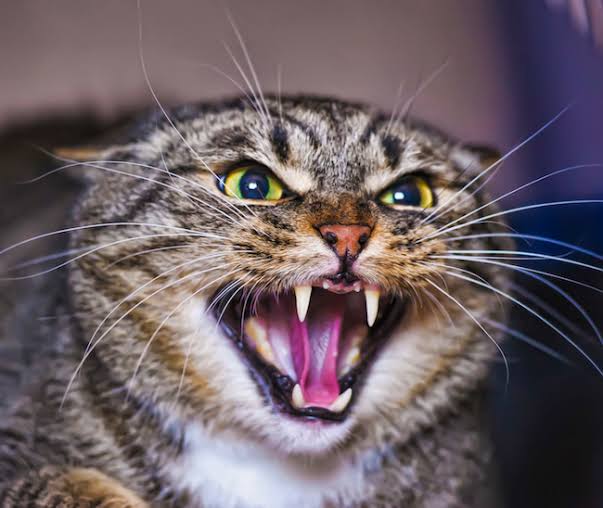


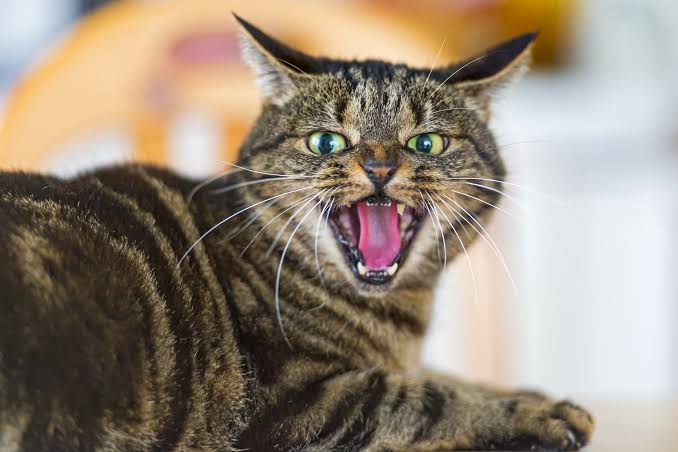
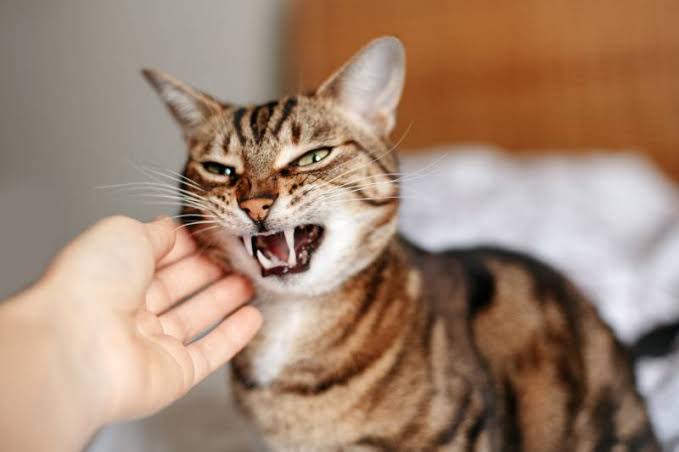



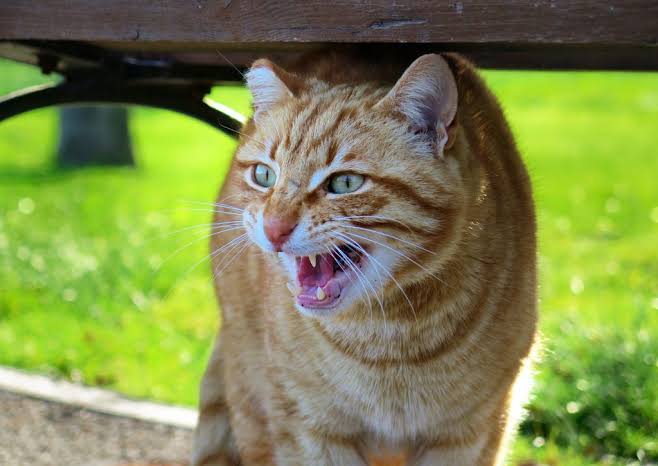
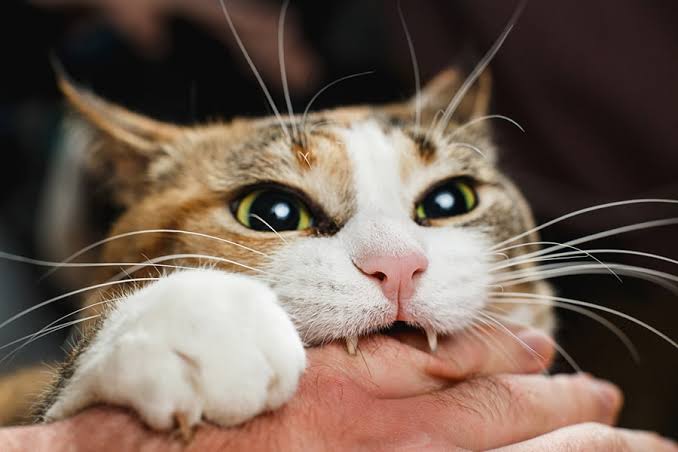
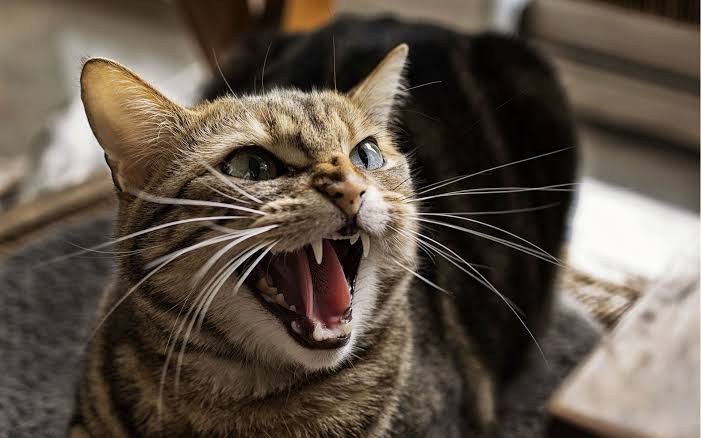
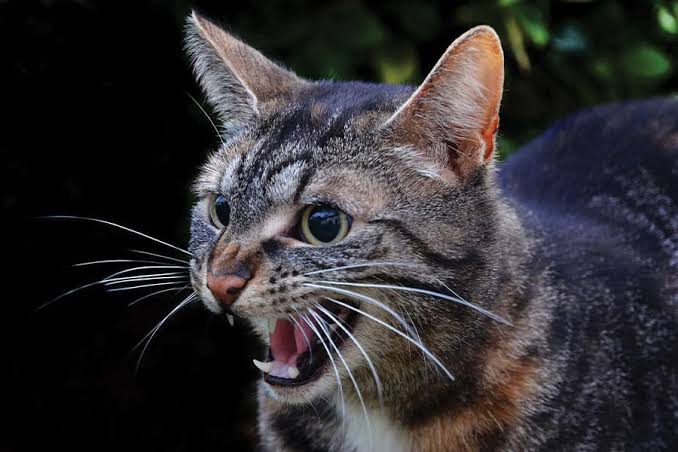
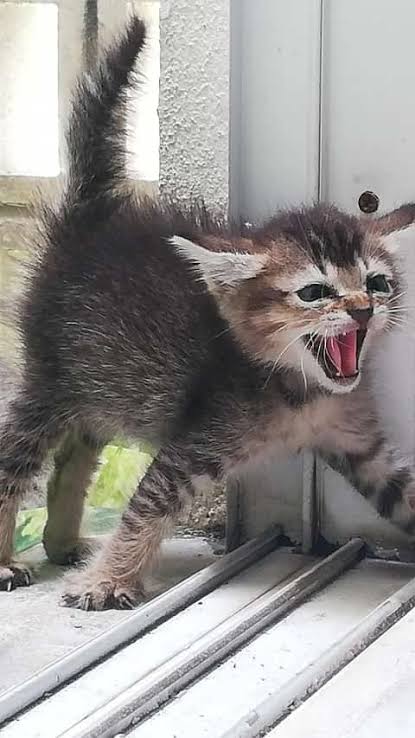
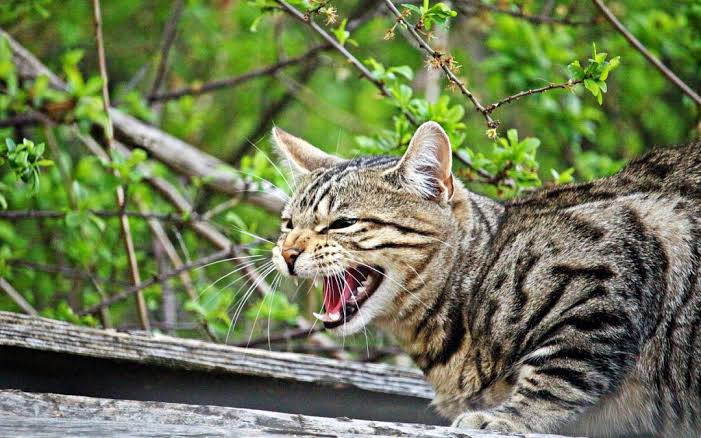

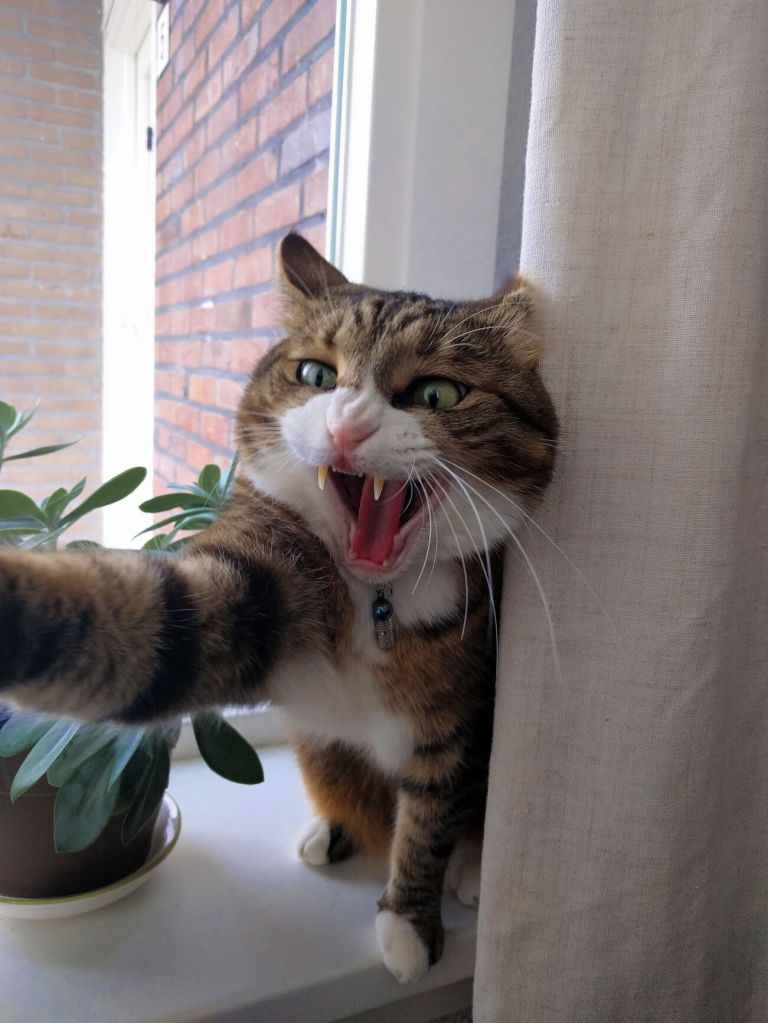
Cats are known for their independent and sometimes unpredictable nature like in these memes. However, when a cat becomes angry, aggressive, or grumpy, it can be concerning for pet owners. Understanding the causes behind these behaviors and knowing how to address them is essential for maintaining a harmonious relationship with your feline friend.
Causes of Aggression in Cats
- Fear Aggression: Cats may become aggressive when they feel scared or threatened. This can manifest as hissing, growling, or puffing up their fur to appear more intimidating.
- Pain-Induced Aggression: When a cat is in pain or unwell, they may perceive their surroundings as threatening, leading to swatting or biting, even towards familiar people.
- Territorial Aggression: Cats are territorial by nature and can react aggressively if they feel their space is invaded. This could be triggered by a new pet, person, or a change in their environment.
- Redirected Aggression: If a cat becomes upset or frustrated by one thing but can’t respond directly to it, they may turn their aggression onto someone or something else nearby.
- Play Aggression: Cats, especially kittens, often show aggressive behaviors during play. If not guided towards toys or managed correctly, actions like pouncing or swatting can escalate.
- Maternal Aggression: A mother cat can become aggressive when protecting her kittens. This natural protective behavior can sometimes be directed toward owners or other household pets.
- Stress and Anxiety: Changes in the environment, introduction of new pets or family members, or loud noises can cause stress and anxiety in cats, leading to aggressive behavior.
- Age and Health Issues: Senior cats may become more irritable and aggressive due to factors such as arthritis, cognitive decline, or other age-related ailments.
- What to Do About It
- Identify the Cause: Understanding the root cause of your cat’s aggression is the first step. Observe their behavior and environment to identify potential triggers.
- Provide a Safe Space: Ensure your cat has a quiet and safe space where they can retreat and feel secure.
- Consult a Veterinarian: If you suspect pain or health issues, take your cat to the veterinarian for a thorough examination.
- Reduce Stress: Minimize changes in the environment and provide a consistent routine to reduce stress and anxiety.
- Use Positive Reinforcement: Reward calm and non-aggressive behavior with treats and affection to encourage positive behavior.
- Provide Enrichment: Engage your cat with toys, scratching posts, and interactive play to keep them mentally and physically stimulated.
- Seek Professional Help: If the aggression persists, consider consulting a feline behavior specialist for personalized advice and strategies.
- Understanding and addressing the causes of aggression in cats can help create a more peaceful and loving environment for both you and your feline companion.
 Caturday Nights