
Rex cats are among the most unique and intriguing felines, instantly recognizable for their wavy or curly coats. These breeds are adored for their charming personalities, velvety fur, and distinctive appearance. But there’s more to Rex cats than meets the eye. Let’s delve into their history, genetics, and what makes them stand out among cat enthusiasts.
What Are Rex Cats?
Defining Rex Breeds
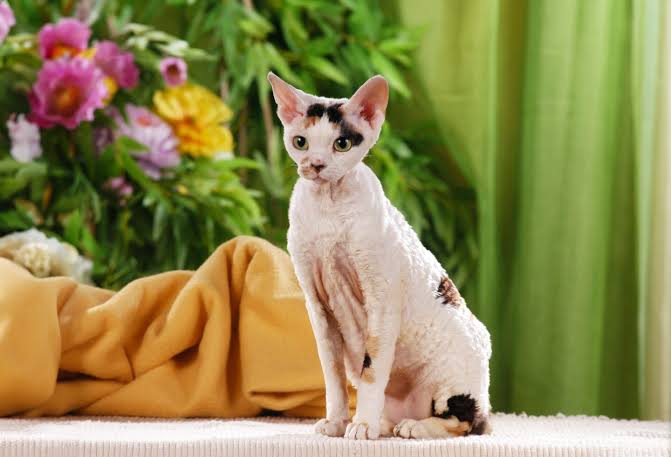
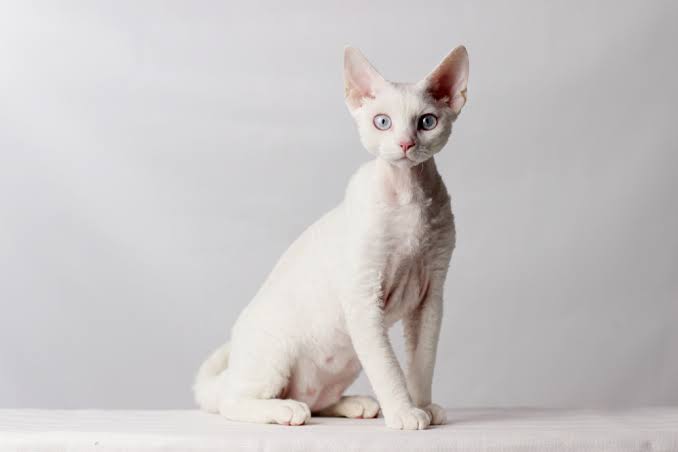
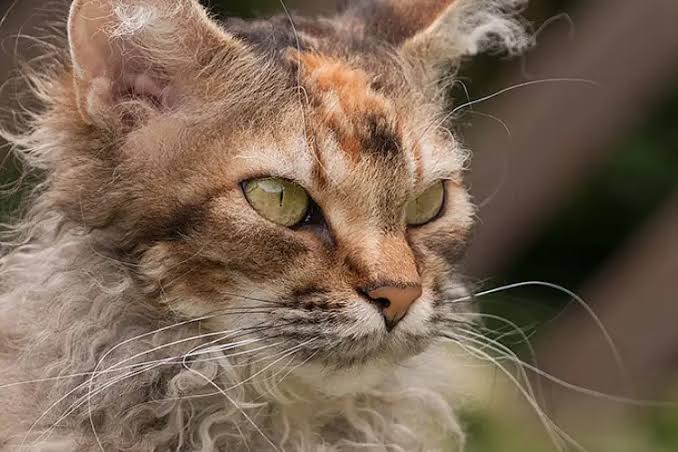
Rex cats are named for the genetic mutation that gives them their characteristic curly or wavy coats. This mutation affects the texture of their fur, resulting in a soft and unique feel. Unlike straight-haired cats, Rex cats have varying levels of curl that can range from tight ringlets to loose waves.
Breeds That Fall Under the Rex Umbrella
Several cat breeds fall under the Rex category, each with its own distinctive features and characteristics. Among them, the most notable are the Devon Rex, Cornish Rex, Selkirk Rex, and German Rex.
A History of Rex Cats
The Discovery of Rex Breeds
The first recognized Rex cat, the Cornish Rex, emerged in Cornwall, England, in 1950, when a curly-coated kitten was born in a litter of barn cats. The breed’s unique coat caught the attention of breeders, who worked to establish it as a distinct line.
Shortly after, the Devon Rex was discovered in neighboring Devonshire in 1960. Though their appearance is similar, these two breeds are the result of separate genetic mutations. The Selkirk Rex and German Rex were later discovered, adding to the variety of Rex cats available today.
Breeding and Development
Rex cats have been carefully bred to maintain their unique coats while promoting healthy genetic lines. Responsible breeders focus on preserving the traits that make Rex cats special, such as their playful demeanor and stunning appearance.
Characteristics of Rex Cats
Physical Traits
Rex cats are known for their large, expressive eyes and prominent ears, which enhance their elf-like or whimsical appearance. Their soft, curly coats set them apart from other breeds, and each breed has its own distinct texture:
- Cornish Rex: A very short, fine coat with tight waves.
- Devon Rex: A slightly coarser coat with looser curls.
- Selkirk Rex: A plush, thick coat that resembles a teddy bear.
- German Rex: A soft, velvety coat that lies close to the body.
Personality and Temperament
Personality and Temperament
Rex cats are often described as playful, affectionate, and intelligent. They are highly social animals that thrive on interaction with their human companions. Their energetic and curious nature makes them excellent pets for families, as they often enjoy playing games and exploring their surroundings.
How to Care for Rex Cats
Grooming Tips
Rex cats’ unique coats require specialized grooming. Unlike long-haired breeds, they don’t need extensive brushing. However, occasional gentle grooming helps remove loose hairs and maintain the health of their coat. Too much grooming can irritate their skin, so it’s important to be cautious.
Health Considerations
Like all cat breeds, Rex cats can be prone to specific health issues. For example, Devon Rex cats are susceptible to certain genetic conditions, such as hypertrophic cardiomyopathy (HCM). Regular veterinary checkups and a nutritious diet are essential for maintaining their health.
Why Rex Cats Are So Popular
Unique Appeal
Low-Shedding and Hypoallergenic Qualities
Many people are drawn to Rex cats because their curly coats tend to shed less than those of straight-haired breeds. While no cat is completely hypoallergenic, Rex cats may be more suitable for individuals with mild allergies.
Fun Facts About Rex Cats
- Each Rex breed has a unique genetic mutation that causes its curly coat, meaning the breeds are unrelated to one another.
- Devon Rex cats have a mischievous streak and are often referred to as “monkeys in cat suits.”
- The Selkirk Rex is sometimes called the “Sheep Cat” because of its thick, curly fur.
Conclusion: Is a Rex Cat Right for You?
Rex cats are not just beautiful—they’re intelligent, affectionate, and full of personality. Whether you’re enchanted by the elf-like Devon Rex or the cuddly Selkirk Rex, these breeds are sure to bring joy and warmth to any household. Their unique appearance and engaging demeanor make them a favorite among cat enthusiasts.
 Caturday Nights