
Why Do Cats Knead?
The Science, History, and Heartwarming Reasons Behind the Behavior
Introduction
Have you ever noticed your cat rhythmically pushing their paws into a blanket, your lap, or even your chest? This adorable behavior, often called “making biscuits,” is one of the many quirks that make felines so fascinating. But why do cats knead? Is it just a cute habit, or is there more to this paw-pressing practice?
In this article, we’ll explore the science and emotional reasons behind kneading, dive into expert insights, and provide tips on what to do if your cat’s kneading gets a little too intense. By the end, you’ll understand why this behavior is so deeply ingrained in your cat’s instincts — and why it’s a sign of trust and affection.
The Instinctual Roots of Kneading
Kittenhood and Nursing
Kneading begins early in a cat’s life. When kittens nurse, they knead their mother’s belly to stimulate milk flow. This behavior is comforting and associated with nourishment and safety. Many cats continue kneading into adulthood because it brings back those feelings of warmth and security.
Marking Territory with Scent
Cats have scent glands in their paws, and kneading helps them mark their territory. When your cat kneads your lap or favorite blanket, they’re leaving behind a subtle scent, claiming you or their space as their own.
Emotional and Behavioral Reasons Cats Knead
A Sign of Affection and Trust
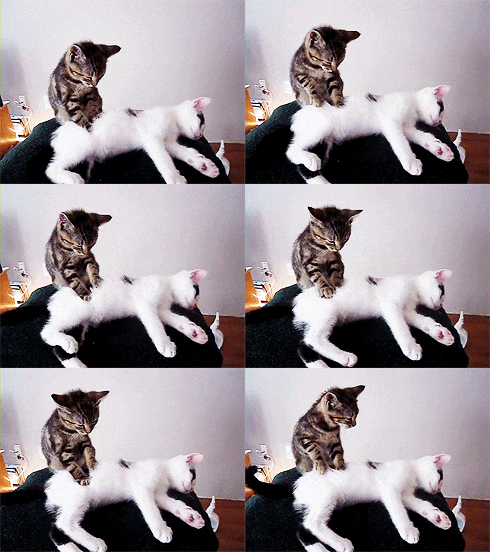
When a cat kneads you, it’s often a sign of love and trust. They’re showing that they feel safe and content in your presence. The repetitive motion can be a way for your cat to bond with you, almost like giving you a little feline massage.
Stretching and Muscle Maintenance
Kneading also serves a practical purpose — it helps cats stretch their muscles and maintain flexibility. After a long nap, a good kneading session can help them loosen up and stay agile.
Nesting Behavior
In the wild, cats might knead grass or leaves to create a soft, comfortable spot to rest. This instinct may carry over to domestic cats who knead blankets or pillows to make their resting place just right.
Why Do Cats Knead Their Owners?
If your cat prefers kneading you over a blanket, take it as a compliment! Cats often knead their favorite humans as a way to express affection. It’s a behavior rooted in positive associations from kittenhood — and yes, it might hurt a little, but it’s a sign they feel connected to you.
When Kneading Becomes Painful
Sometimes, those loving kneads can come with sharp claws. If your cat’s biscuit-making is a bit too intense, try:
Keeping their claws trimmed to reduce scratching.
Using a soft blanket as a barrier between you and their paws.
Redirecting the behavior with a plush toy or kneading pad.
Real-Life Stories: Cat Owners Share Their Kneading Tales
Luna the Lap Kneader: Luna, a rescued tabby, kneads her owner’s lap every evening. Her owner believes it’s her way of expressing gratitude for her new home.
Oliver’s Bedtime Ritual: Oliver, a Maine Coon, kneads his human’s chest before curling up to sleep. It’s his way of winding down and signaling he’s ready for bedtime cuddles.
FAQs About Cat Kneading
Why do cats purr while kneading? Purring and kneading often go hand in hand as signs of contentment and relaxation.
Do all cats knead?
Not every cat kneads, but many do. It’s more common in cats who were well-socialized as kittens.
Is kneading ever a bad sign? In rare cases, excessive kneading could indicate anxiety. If your cat seems distressed or compulsively kneads, consult your vet.
Conclusion: Embrace the Biscuits
Kneading is a natural, instinctual behavior that shows your cat feels happy, secure, and connected to you. While it might leave you with a few scratches, it’s ultimately a sign of love and trust. So next time your cat starts making biscuits, take a moment to appreciate the adorable way they express their affection.
Do your cats knead? Share your stories in the comments — we’d love to hear about your biscuit-making buddies!
 Caturday Nights